What Are the Benefits of China Top Beet Powder?
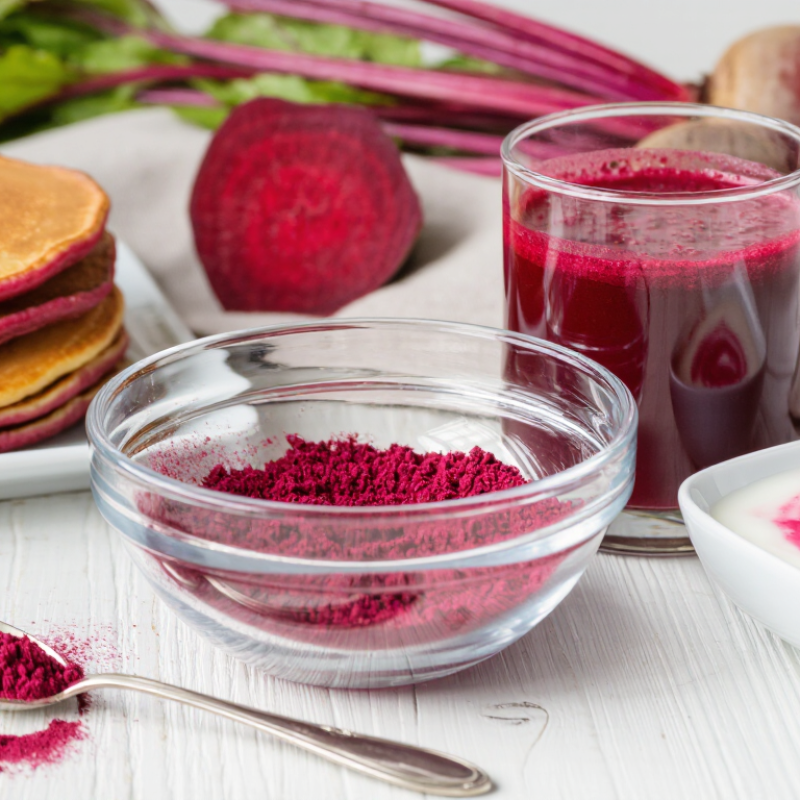
Beet powder offers a practical way to add beetroot’s earthy flavor and color to everyday foods. A small scoop can blend into a smoothie, stir into yogurt, or tint pancake batter a deep rose-red. Yet “top” should mean more than attractive packaging or a low price. For China-made beet powder, buyers should look for clear ingredient lists, consistent color and texture, and accessible information about processing and quality checks.
The phrase Powdered Beets Benefits often points to convenience, vegetable-derived nutrients, and naturally occurring compounds such as dietary nitrates. These features make beet powder interesting to people building varied eating habits, but they do not make it a treatment or guarantee a particular result. Evidence and nutrient levels can differ by product, serving size, and preparation. Details matter.
This guide explores potential benefits while keeping expectations realistic. It also considers how to assess a supplier, read product specifications, and use the powder in ordinary recipes. A vivid color is easy to notice; reliable sourcing is less visible. That deserves attention. Country of origin alone cannot establish quality, and marketing language is not a substitute for verifiable product information. Some labels leave questions unanswered, and that is worth admitting. Readers should compare available documentation and consider personal dietary needs before choosing a product. The goal is not to call every beet powder exceptional, but to identify what makes one a sensible option.
What China Top Beet Powder Is and How It Is Produced
What Are the Benefits of China Top Beet Powder?
What China Top Beet Powder Is and How It Is Produced
China-produced beet powder is finely milled beetroot, valued for its deep red color and earthy, mildly sweet flavor. It can be made from whole beetroot or beet juice, so the ingredient label matters. Some products may include carriers to help the powder flow or dissolve. “Top” is not a regulated quality grade; clear sourcing and production details are more useful indicators.
Production typically begins with sorting and washing fresh beets to remove soil and damaged pieces. The beets are then sliced or pressed for juice, depending on the product. Moisture is removed through controlled drying, followed by milling and sieving to create a consistent texture. Careful temperature and moisture control help limit color loss and clumping. Color matters. Batches can still vary in shade and flavor because crops and processing conditions differ. A slightly earthy taste is not automatically a defect, but unexplained additives deserve a closer look.
Tips: Check whether the powder comes from whole beetroot or juice, and look for a short ingredient list. Keep the container sealed in a cool, dry place. Moisture can turn fine powder into hard lumps.
Key Nutrients and Natural Compounds in Beet Powder
Beet powder is made from dried beetroot, so its nutrients depend on the crop and how it is processed. It can provide folate, potassium, manganese, and small amounts of fiber. The vivid red color comes from betalains, natural plant pigments that also act as antioxidants in laboratory studies. Their presence does not mean the powder prevents illness.
Beets also contain naturally occurring nitrates. In the body, nitrate can be converted into nitric oxide, a compound involved in blood vessel function. This is why beet products are often discussed in relation to circulation and exercise, though effects vary and a serving is not a guaranteed performance aid. Check the ingredient list and serving size: some powders are concentrated, while others include added sugar or flavorings. Color and taste can offer clues, but they cannot confirm nutrient levels. Small details matter. I would treat beet powder as one convenient way to add a plant ingredient, not a replacement for varied meals or medical advice.
What Are the Benefits of China Top Beet Powder?
Key nutrients and natural compounds in beet powder
How to read this chart: Raw beetroot provides folate, manganese, and dietary fiber, along with potassium and vitamin C. Values show approximate percentages of U.S. Daily Values per 100 g of raw beetroot—not beet powder. Powder nutrient levels vary with the product and serving size.
Reference: USDA FoodData Central, raw beets; U.S. FDA Daily Values for adults and children aged 4 and older. Percentages are approximate.
How Beet Powder May Support Blood Flow and Exercise
Beet powder may support blood flow because beetroot naturally contains nitrate. The body can convert nitrate into nitric oxide, a molecule that helps blood vessels relax. More relaxed vessels may improve circulation during exercise, although responses differ between people. The effect is not automatic.
A 2013 meta-analysis in The Journal of Nutrition reviewed 16 trials involving 254 participants. It reported an average systolic blood-pressure reduction of about 4.4 mmHg after beetroot juice intake. This finding concerns blood pressure, not proof of better athletic performance. The International Olympic Committee’s 2018 consensus statement describes 5–9 mmol of nitrate, or roughly 310–560 mg, as a commonly studied exercise dose, taken two to three hours beforehand. Beet powders vary widely in nitrate content, so a scoop alone does not confirm that dose. Check the label, and be cautious when nitrate amounts are not stated. Timing matters.
Some studies suggest dietary nitrate can help exercise efficiency, but results are mixed, especially among highly trained athletes. A practical trial might mean using a clearly quantified product before a familiar workout, then noting pace and effort. One session proves little. I would not treat a small change as certainty; sleep, heat, meals, and training can blur the picture.
Potential Roles in Energy and Everyday Nutrition
Beet powder can add a concentrated beetroot flavor and color to everyday foods. Stir a small serving into yogurt, oatmeal, or a smoothie, where its earthy taste blends with fruit. It supplies naturally occurring dietary nitrates, which the body can convert into nitric oxide. This compound helps blood vessels relax, though responses vary and research findings do not guarantee a noticeable energy boost for everyone. Beet powder is not a stimulant, and it cannot replace sleep, fluids, or a balanced meal. Small details matter.
For active people, beet products may support exercise performance in some circumstances, but the effect depends on the product, serving, and individual. Powder processing can change nutrient levels, so check the ingredient list and serving guidance rather than assuming all products are alike. I would treat it as one optional ingredient, not a shortcut; honestly, its earthy aftertaste can take getting used to. People with health conditions or concerns about blood pressure medicines should ask a healthcare professional before using concentrated beet products.
Tips: Start with a small amount and mix it into a familiar recipe. Drink water as usual, and notice how your body responds. If the flavor is too strong, pair it with berries or citrus.
What Are the Benefits of China Top Beet Powder? - Potential Roles in Energy and Everyday Nutrition
| Dimension | Potential role | What to keep in mind |
| Dietary nitrate | The body can convert nitrate to nitric oxide, a molecule involved in blood-vessel function. Beetroot products may modestly support blood pressure or exercise performance for some people. | Nitrate content varies widely between powders. Research often uses products with measured nitrate amounts, so results cannot automatically be applied to every powder. |
| Exercise and perceived energy | Some studies suggest beetroot-derived nitrate may help exercise efficiency or endurance in certain settings. | Findings are mixed, and beet powder is not a stimulant. It should not be assumed to provide a noticeable energy boost or replace sleep, food, or hydration. |
| Carbohydrates | Beet powder contains carbohydrates, which provide energy as part of the diet. | The amount per serving depends on the product and serving size. Check the nutrition label, especially if monitoring carbohydrate or sugar intake. |
| Folate and potassium | Beets naturally contain folate and potassium, nutrients that contribute to normal body functions. | The amounts in a powder serving can differ from those in fresh beets and vary by processing. Beet powder should not be treated as a substitute for a varied diet. |
| Betalain pigments | Betalains give beets their red-purple color and have antioxidant activity in laboratory research. | Laboratory antioxidant activity does not establish a specific health benefit from consuming beet powder. |
| Fiber and everyday use | Some powders provide fiber and can be mixed into foods or drinks as a convenient way to add beet flavor and color. | Fiber content depends on the product and processing; whole beets also provide water and food volume. Follow the serving directions and check the ingredient list. |
| Practical cautions | For most people, beet powder can be considered a food ingredient rather than a treatment. | Beets may turn urine or stool pink-red, which is usually harmless. People taking blood-pressure medication or managing kidney-stone risk should ask a healthcare professional whether regular use is appropriate. |
Nutrient levels and nitrate content vary by product, serving size, and processing. Check the product’s nutrition information and use claims cautiously.
What to Consider When Choosing and Using Beet Powder
Beet powder can provide dietary nitrates, which the body converts into nitric oxide. This may help support blood flow and exercise performance, but results vary between people and products. Evidence is not a guarantee. Check whether the label lists beet content, serving size, and added ingredients. If nitrate levels are stated, look for clear testing details rather than relying on broad claims. A product made in China is not automatically better or worse; transparent sourcing and independent batch testing matter more.
Follow the serving directions, and avoid assuming that a larger scoop works better. Mix a small portion into water or a smoothie; the earthy flavor can be strong, and the powder may stain a pale countertop. That part is personal. People with a history of oxalate kidney stones should ask a healthcare professional before regular use. If you take medicine for blood pressure or circulation, check with a clinician or pharmacist first. Keep the container sealed, dry, and away from heat, since moisture can cause clumping.