Best 5 Advantages of Using Plastic Piping for Your Plumbing Needs?
In recent years, plastic piping has gained significant traction in the plumbing industry. This shift is attributed to its numerous advantages. According to the American Society of Plumbing Engineers (ASPE), plastic piping can reduce installation costs by up to 30% compared to traditional materials. Industry expert Dr. Robert Thompson states, "The flexibility and durability of plastic piping are game-changers for modern plumbing."
Plastic piping offers resistance to corrosion and chemicals, ensuring longevity. It’s lightweight and easy to handle. Many installations require less labor, which can further lower costs. Additionally, its thermal insulation properties help maintain temperature, reducing energy consumption and costs. However, some still question its long-term performance under extreme conditions.
While plastic piping is a popular choice, it is not without concerns. Some argue about its environmental impact. Recycling these materials poses a challenge. Furthermore, misapplication can lead to problems down the line. Ensuring the right context for its use is essential. Balancing its benefits with these reflections can lead to better plumbing solutions.
Advantages of Plastic Piping in Plumbing Systems
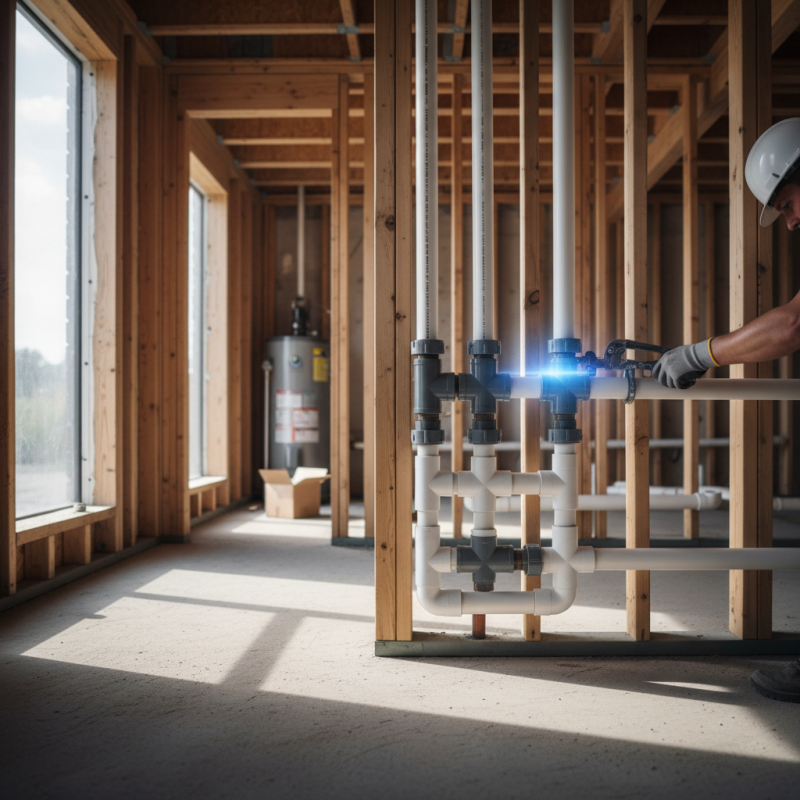
Plastic piping has become a popular choice in modern plumbing systems, and for good reason. One primary advantage is its lightweight nature. This makes installation much easier compared to traditional materials. Plumbers can transport and cut plastic pipes without heavy equipment. It can save both time and labor costs on the job.
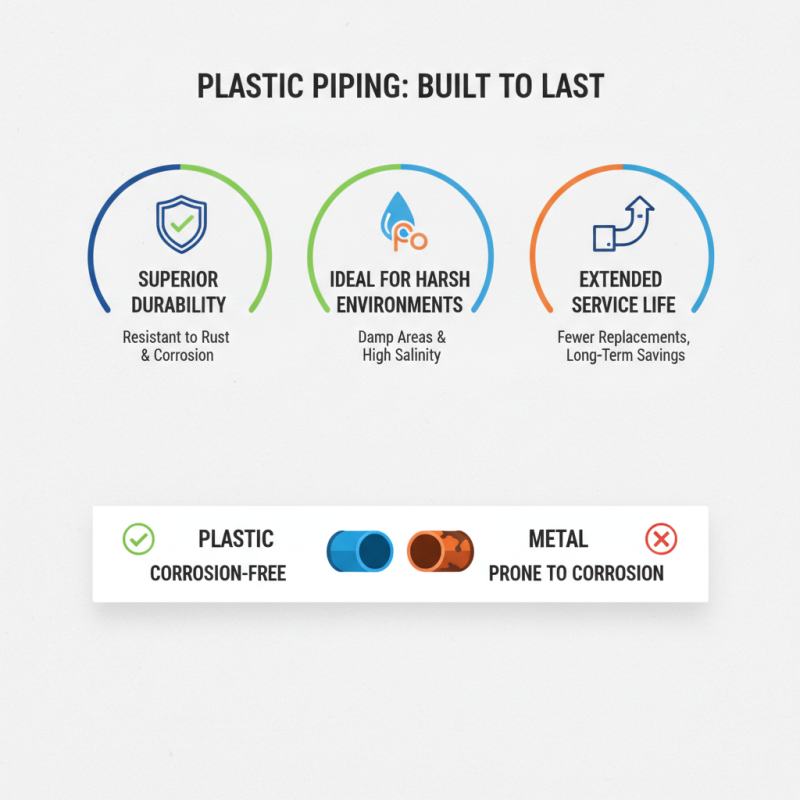
Another notable benefit is the resistance to corrosion. Unlike metal pipes, plastic does not rust or corrode over time. This can lead to a longer lifespan for plumbing systems. Homeowners can have peace of mind, knowing their plumbing is less likely to deteriorate. However, some may worry about durability under extreme heat. This is an area that requires careful consideration.
Additionally, plastic piping is often more affordable than metal alternatives. This lower initial cost can be appealing for renovations or new installations. However, investment in quality plastic is crucial. Cheap options may not perform as well or last as long. Balancing cost and quality is essential for a successful plumbing project.
Durability and Resistance to Corrosion in Plastic Pipes
Plastic piping has gained popularity in recent years. Its durability is a key feature. Unlike metal pipes, plastic ones do not rust or corrode easily. This resistance to corrosion ensures that they last longer in various environments. For instance, in damp areas or regions with high salinity, plastic pipes outperform traditional materials. They maintain their integrity over time, which reduces the need for frequent replacements.
In addition to durability, plastic pipes are lightweight and easier to install. This can reduce labor costs and installation time. However, not all types of plastic piping are suitable for every situation. Some may struggle with extreme temperatures or pressure variations. It’s essential to consider the specific conditions when choosing plastic pipes for plumbing projects. By doing so, you can avoid potential issues and ensure a reliable plumbing system.
Lightweight Characteristics and Ease of Installation
Plastic piping has gained popularity in plumbing due to its lightweight characteristics. Compared to metal pipes, which can be cumbersome, plastic pipes are easy to handle. This makes transportation and installation much simpler. You won’t need heavy tools to lift or secure them. Many workers appreciate this ease. It reduces the physical strain associated with plumbing jobs.
The installation process is also remarkably fast. Plastic pipes can be cut with a simple saw and connected easily. This saves time on the job site. However, some might overlook the importance of proper fitting. A poor seal can lead to leaks. Careful measurements are crucial. Even though the process is simple, attention to detail is necessary.
Many contractors have found that plastic piping is less expensive. This can be beneficial for budget-conscious projects. Yet, this cost-effectiveness makes some rush their choices. Not all plastic pipes are created equal. Variations exist in quality and durability. Researching options is essential to avoid future issues.
Cost-Effectiveness Compared to Traditional Materials
Plastic piping has emerged as a cost-effective alternative for plumbing needs. Its lightweight nature makes it easier to transport and install. Traditional materials like copper or iron often come with high labor costs due to their weight. Meanwhile, plastic can be handled quickly, saving both time and money. This efficiency reduces overall project expenses significantly.
Moreover, plastic pipes are resistant to corrosion and certain chemicals. This durability can extend their lifespan compared to metal alternatives. However, it's essential to consider that extreme temperatures can affect plastic's performance. Some users may worry about its longevity compared to traditional options. Despite these concerns, the financial savings and ease of installation remain compelling advantages for many homeowners.
Maintaining plastic piping can also be simpler. Regular inspections often reveal fewer issues than metal pipes which can rust or leak. Homeowners appreciate the reduced risk of costly repairs. Still, understanding the limitations of plastic is crucial. Not every plumbing situation may afford the same level of reliability. Balancing initial savings and long-term durability is key for effective plumbing solutions.
Flexibility and Versatility of Plastic Piping Solutions
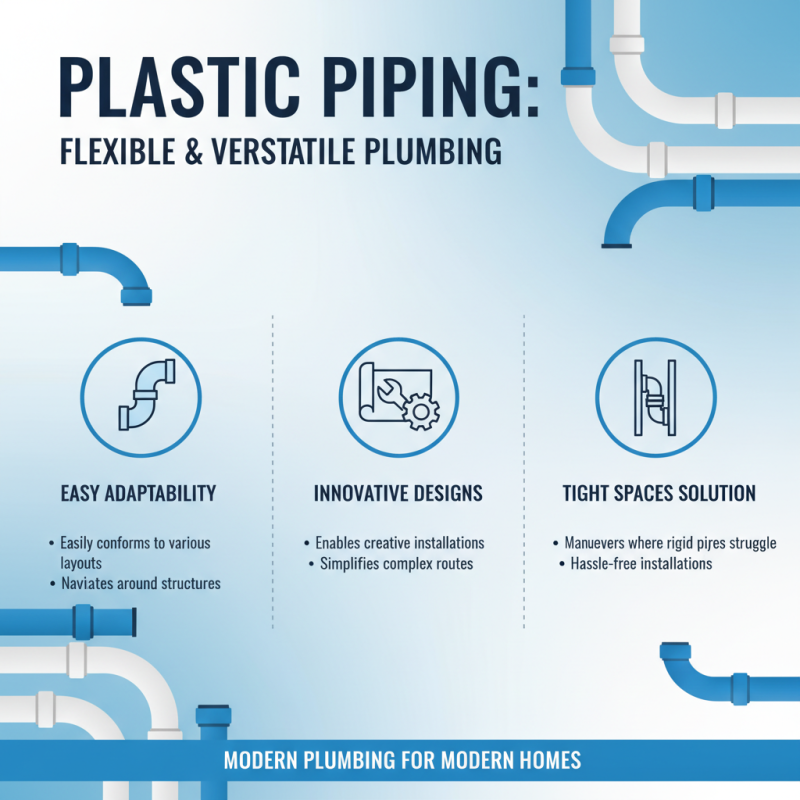
Plastic piping has become a favored choice for plumbing systems due to its remarkable flexibility and versatility. Unlike traditional materials, plastic pipes can bend and adapt easily to various layouts. This allows for more innovative designs and installations. Homeowners often find that they can maneuver around existing structures without much hassle. In tight spaces, the flexible nature of plastic makes it an excellent solution where rigid pipes would struggle.
Moreover, plastic piping simplifies repairs and replacements. If an issue arises, it is usually easier to access and modify. The lightweight nature of plastic also ensures that transporting and handling is less strenuous. Installers often note how this aspect saves time and energy during projects. However, it’s important to consider local conditions, as not all environments always favor plastic.
While plastic pipes resist corrosion, they may not be ideal in every scenario. Over time, exposure to certain chemicals can degrade them. Understanding the specific needs of your plumbing system is crucial in making the best choice. Each project demands careful thought, and plastic might not always be the answer. Ultimately, the flexibility and versatility of plastic piping present both opportunities and challenges for modern plumbing solutions.