2026 Top Trends in Injection Molding Pellets for Sustainable Manufacturing?
In recent years, the demand for injection molding pellets has surged, driven by the need for sustainable manufacturing solutions. The global market for these materials is expected to reach $20 billion by 2026, with a focus on eco-friendly options. A report by Smithers states that recycled content in injection molding pellets could increase by 30% in the next few years, highlighting a shift towards sustainability.
Despite the growing popularity, challenges persist. Not all plastics are recyclable or biodegradable, complicating the landscape. Industry experts warn of the potential for greenwashing, where companies promote their products as sustainable without substantial evidence. Companies must navigate these complexities carefully.
As manufacturers look towards the future, innovation is key. New formulations of injection molding pellets are emerging, utilizing bio-based materials and advanced recycling technologies. However, the transition is not without obstacles. Achieving performance standards while maintaining environmental goals is a delicate balance. The industry's evolution reflects both progress and the urgent need for reflection on sustainable practices.

Emerging Materials in Injection Molding for Sustainable Practices
The injection molding industry is experiencing a shift towards sustainability. Emerging materials are at the forefront of this movement. Biodegradable plastics, such as polylactic acid (PLA), are gaining traction. These materials reduce plastic waste and break down more efficiently in landfills. Data from the Plastics Industry Association indicates that over 30% of manufacturers are now considering sustainable alternatives.
Recycled materials also play a pivotal role. Industry reports show that using recycled pellets can cut down carbon emissions by up to 80%. This significant reduction highlights the urgency to adopt these materials in production processes. However, the transition isn’t flawless. Some recycled materials may not meet the same quality standards as virgin plastics, raising questions about their viability in high-performance applications.
Another material gaining attention is bio-based composite. These blends offer enhanced mechanical properties while being eco-friendly. The Global Bio-Based Materials Market is expected to grow by 29% annually through 2026. Despite these promising statistics, challenges remain. Sourcing these materials can be inconsistent, and they often come with higher production costs. This creates a dilemma for many manufacturers.
2026 Top Trends in Injection Molding Pellets for Sustainable Manufacturing
| Material Type |
Percentage Recycled Content |
Biodegradability |
Applications |
Market Growth Rate (%) |
| PLA (Polylactic Acid) |
100% |
Yes |
Packaging, 3D Printing |
12% |
| rHDPE (Recycled High-Density Polyethylene) |
80% |
No |
Containers, Automotive Parts |
10% |
| Bio-based PET (Polyethylene Terephthalate) |
30% |
No |
Bottles, Fabrics |
15% |
| PP (Polypropylene) with Post-Consumer Recyclate |
50% |
No |
Housewares, Automotive Parts |
8% |
| Eco-Friendly Composites |
70% |
Yes |
Furniture, Consumer Goods |
20% |
Advancements in Biodegradable Pellets for Eco-Friendly Manufacturing
The demand for sustainable manufacturing is rapidly increasing. Biodegradable pellets are emerging as a pivotal solution. These innovative materials can decompose naturally, helping reduce landfill waste significantly. According to recent industry reports, the biodegradable plastics market is projected to reach $6.5 billion by 2027. This growth reflects a shift in consumer preferences and regulatory pressures.
One remarkable type is polylactic acid (PLA) pellets. Derived from corn starch, PLA is favored for its renewable nature. In fact, they can break down in industrial composting facilities within 90 days. However, scaling these materials poses challenges. Production costs remain high, making them less accessible for some manufacturers. Furthermore, the performance of biodegradable pellets often falls short of traditional plastics in certain applications.
These setbacks require careful consideration. Research indicates that around 70% of companies are still cautious about shifting to biodegradable alternatives. They cite concerns about cost and reliability. Yet, the push for eco-friendly practices is undeniably steering innovation. It's essential to keep exploring ways to enhance the functionality and affordability of these sustainable materials. The future of manufacturing may rely heavily on our commitment to improve biodegradable options.
2026 Top Trends in Injection Molding Pellets for Sustainable Manufacturing
This chart illustrates the projected market growth percentages for different types of injection molding pellets in 2026, highlighting the increasing focus on sustainable manufacturing solutions. Biodegradable pellets are anticipated to lead the market, driven by the demand for eco-friendly alternatives.
Impact of Recycled Plastics on Injection Molding Industry Trends
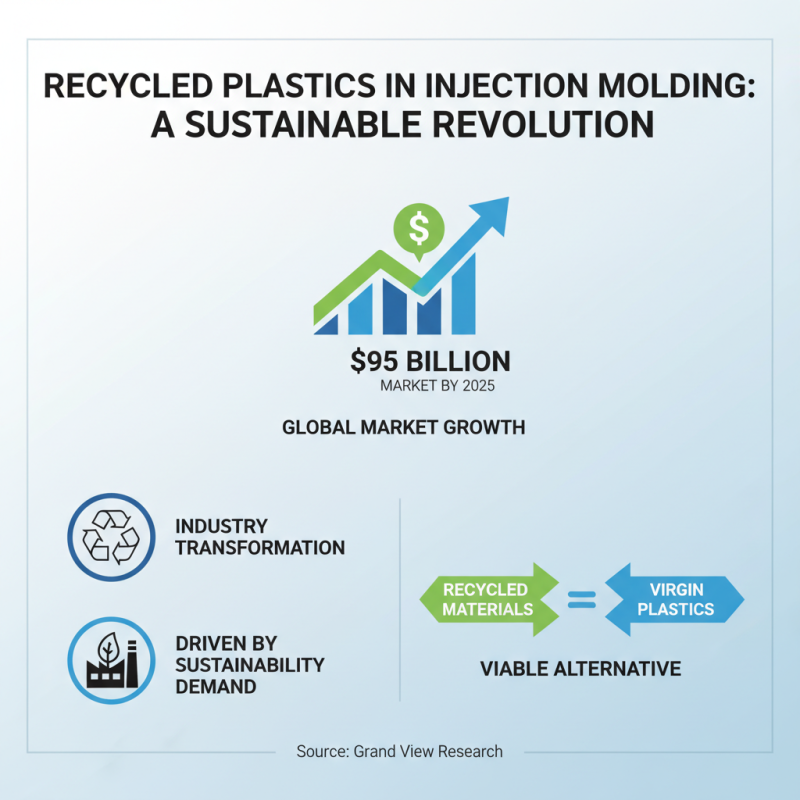
The use of recycled plastics in injection molding is transforming the industry. According to a recent report by Grand View Research, the recycled plastics market is expected to reach $95 billion by 2025. This shift is driven by the growing demand for sustainable manufacturing solutions. Many companies are now considering recycled materials as a viable alternative to virgin plastics.
However, integrating recycled plastics into production isn't without challenges. The quality of recycled materials can vary significantly. Contaminants and inconsistencies may affect end products. Manufacturers must invest in rigorous quality control to ensure reliability. The industry is still figuring out how to balance cost with sustainability.
**Tip:** When sourcing recycled materials, assess the supplier's quality assurance processes thoroughly.
Embracing recycled plastics can also influence design choices. Designers need to adapt to the material's unique properties. This shift might limit some creative possibilities but could inspire innovative solutions. Overall, the potential is vast, but the path forward requires careful consideration.
**Tip:** Prototype with recycled pellets early in the design phase. This helps identify material limitations and strengths.
Understanding these dynamics is crucial. Enhanced training for staff may be necessary to handle new materials effectively. The future is promising but requires ongoing education and adaptation.
Innovative Technologies Enhancing Efficiency in Injection Molding Processes
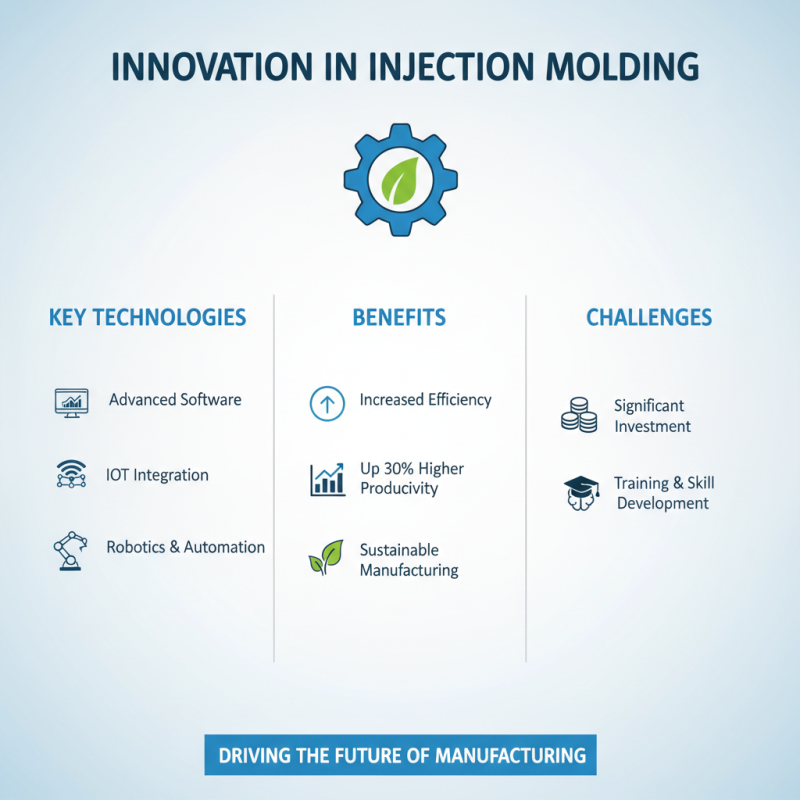
Innovative technologies are transforming injection molding processes, driving sustainable manufacturing forward. With a focus on efficiency, advanced software solutions are enabling real-time monitoring and process optimization. According to industry reports, the implementation of IoT in injection molding can increase productivity by up to 30%. This transformation is not without its challenges. The integration of these technologies often requires significant investment and training.
Another key trend is the rise of biodegradable and recycled materials in molding pellets. Research indicates that using these materials can reduce the carbon footprint by nearly 30%. However, manufacturers face limitations in material properties and processing capabilities. Finding the right balance between sustainability and performance is crucial. Innovations like multi-material injection molding are emerging. These techniques allow for the combination of materials for enhanced functionality, but they also introduce complexity in the manufacturing process.
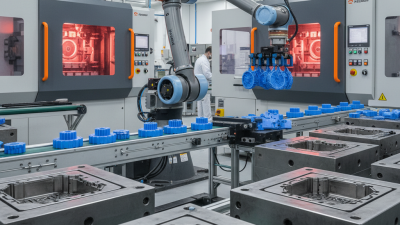
Furthermore, automation in injection molding is becoming more prevalent. Automated systems streamline production lines, reducing labor costs and minimizing waste. A recent study shows that automation can decrease production time by 25%. Yet, the challenge remains in fully integrating these systems without disrupting existing workflows. Manufacturers must adapt their strategies and continuously assess the impact of these changes on their production capabilities and sustainability goals.
Market Demand and Consumer Preferences Shaping Sustainable Pellet Choices
The landscape of injection molding pellets is shifting. Market demand is increasingly influenced by consumer preferences for sustainability. Modern consumers are more conscious about the environmental impact of products. They lean towards manufacturers that prioritize eco-friendly materials.
Many manufacturers are adapting their pellet choices to align with these preferences. Biodegradable options are gaining traction. Recycled materials are also becoming more popular. However, not all manufacturers are ready to make this shift. Some still rely on traditional materials. This gap creates both challenges and opportunities in the market.
Sustainable practices are essential but not straightforward. Some companies face dilemmas in sourcing sustainable materials. Price points can be higher, affecting profits. Moreover, there is ongoing debate about the performance of sustainable pellets. Consumers want quality along with eco-friendliness. Balancing these factors is a work in progress for many in the industry.