2026 Top Injection Molding Process Trends for Global Buyers?
The injection molding process remains a cornerstone of manufacturing. Recent reports forecast that the global injection molding market will exceed USD 300 billion by 2026. This growth highlights its central role across various industries. Moreover, advancements in technology and material science are reshaping how the injection molding process is utilized.
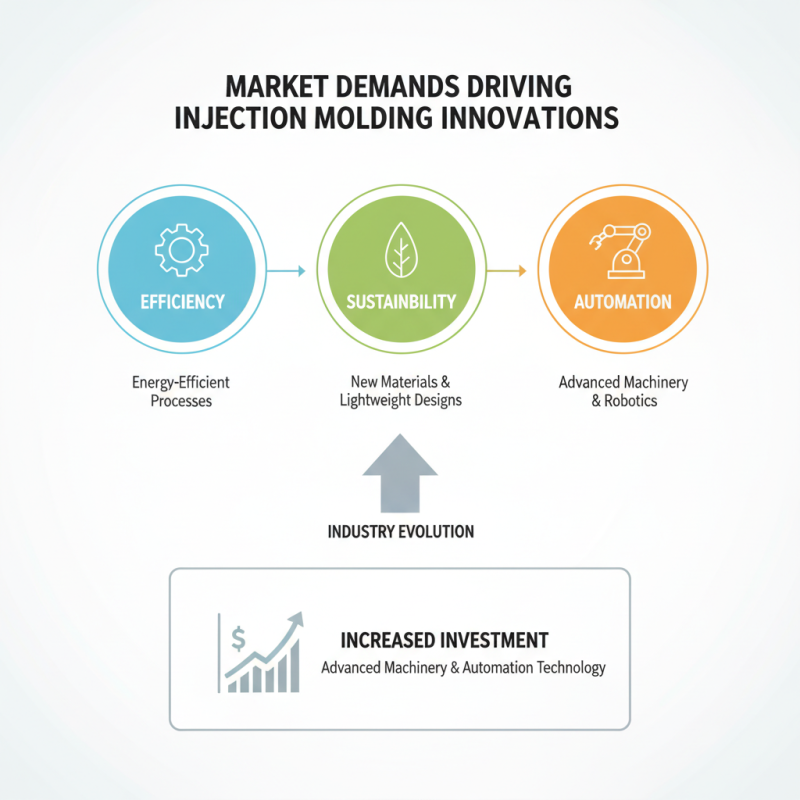
Today's manufacturers face new challenges. Sustainability and efficiency are critical. A survey indicated that 68% of industry leaders are prioritizing eco-friendly practices within their injection molding operations. Companies are reevaluating traditional methods. This shift is essential for meeting consumer demands while maintaining profitability. However, transitioning to more sustainable processes may require additional investment and training.
Emerging trends in automation and smart manufacturing are evident. In 2026, AI-driven solutions may optimize the injection molding process. Yet, companies must reflect on the balance between innovation and cost. Adopting new technologies could streamline operations but can also present significant hurdles. Continuous learning and adaptation will be vital for success in this evolving landscape.
Emerging Technologies in Injection Molding for 2026
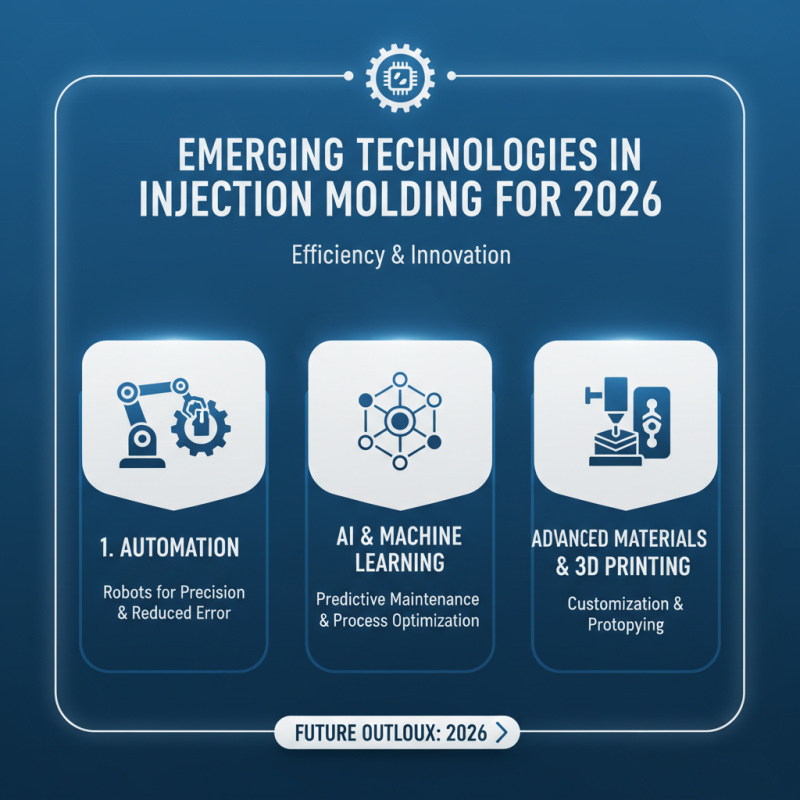
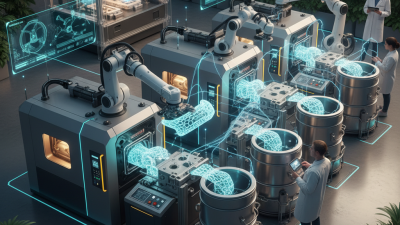
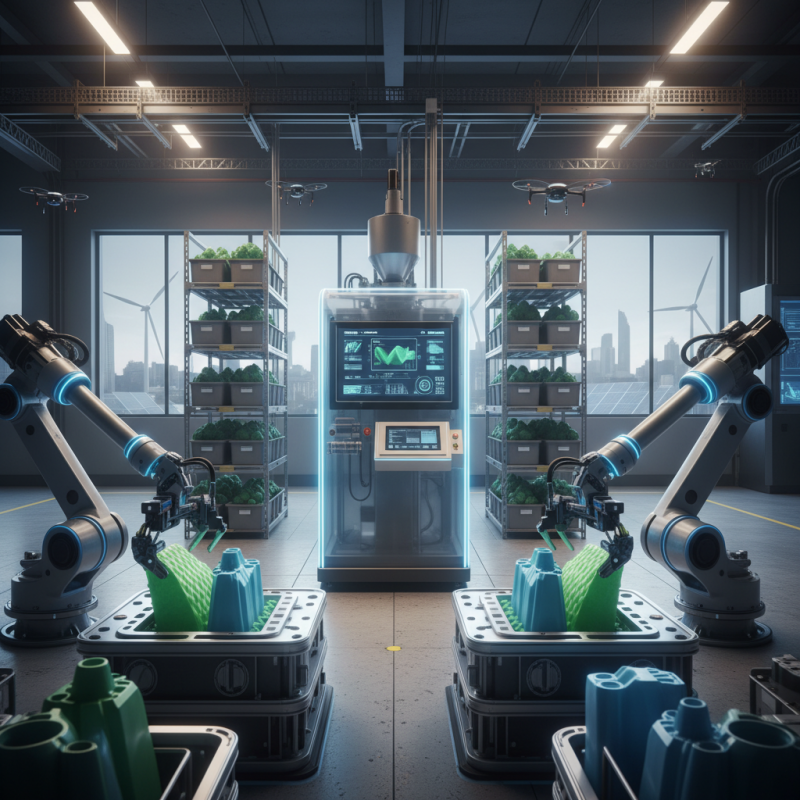
Emerging technologies are transforming injection molding, promising efficiency and innovation. 2026 is expected to witness significant advancements in this area. One key trend is automation. Robots will increasingly handle tasks to enhance precision and reduce human error.
3D printing is another exciting development. It allows for rapid prototyping and custom mold creation. This can significantly speed up production times. Notably, hybrid techniques combining traditional molding with additive manufacturing are gaining traction.
Tips: Consider integrating AI-based design tools for optimal mold creation. This can enhance quality and reduce waste. Regularly assess your workflow for areas needing improvement. Small adjustments can lead to substantial efficiency gains.
Embracing these trends requires staying informed. Regular training and workshops can help teams adapt. Collaboration with tech experts will also drive innovation within organizations. The future of injection molding looks promising with these emerging technologies.
Sustainability Trends Impacting Injection Molding Processes
The injection molding industry is experiencing a significant shift towards sustainability. According to a report by the Association of Plastics Recyclers, around 40% of global plastic waste comes from the packaging sector. This statistic highlights the pressing need for sustainable practices in injection molding.
Manufacturers are adopting recycled materials in their processes, aiming for a circular economy. A study from the Plastics Industry Association notes that using recycled content can reduce energy consumption by up to 30%. This data reflects a growing trend where companies prioritize eco-friendly solutions while maintaining product quality. However, challenges remain. Not every type of recycled plastic can be effectively used in injection molding, prompting ongoing research.
Moreover, the push for sustainability goes beyond materials. Companies are re-evaluating their energy sources. Many are experimenting with renewable energy and seeking to reduce greenhouse gas emissions. Despite these efforts, the transition isn't without hurdles. Some manufacturers struggle with the initial costs of switching to sustainable technologies. The industry must continue to reflect on its practices and strive for innovative solutions to meet environmental goals.
Advancements in Material Science for Injection Molding
Advancements in material science are reshaping the injection molding process. New polymers and composites are at the forefront of these changes. According to industry reports, the global market for injection molding materials is projected to grow by 5.6% annually through 2026. This growth is fuelled by innovations that enhance strength, flexibility, and thermal resistance.
One notable trend is the use of bio-based materials. These materials offer an eco-friendly alternative while maintaining mechanical performance. This shift not only improves sustainability but also appeals to environmentally conscious consumers. However, some challenges remain. For example, bio-based plastics can be more expensive and may require new machinery for processing.
Tips: When considering new materials, evaluate your current production capabilities. Training for operators can maximize efficiency with new materials. Staying updated with research in material science ensures you are not left behind.
Another trend is the integration of smart materials. These materials respond dynamically to their environment. While promising, they often require careful calibration and testing, which can add complexity. Companies must weigh the benefits against the potential for increased production costs and time. Embracing these advancements will be crucial for staying competitive in the injection molding industry.
2026 Top Injection Molding Process Trends for Global Buyers - Advancements in Material Science for Injection Molding
| Trend |
Description |
Impact on Industry |
Predicted Adoption Rate (2026) |
| Biodegradable Materials |
Increasing use of biodegradable plastics to reduce environmental impact. |
Reduction in plastic waste and regulatory compliance. |
35% |
| Smart Injection Molding |
Integration of IoT and AI technologies for real-time monitoring and adjustments. |
Increased efficiency and reduced production costs. |
40% |
| Advanced Composite Materials |
Development of lightweight, high-strength materials for diverse applications. |
Expansion into aerospace and automotive industries. |
50% |
| Sustainability Certifications |
Emphasis on obtaining certifications for eco-friendly practices. |
Enhanced brand reputation and marketability. |
30% |
| Digital Twin Technology |
Simulation of the injection molding process to predict outcomes and optimize performance. |
Reduction in material waste and improved cycle times. |
25% |
Automation and Industry 4.0 in Injection Molding Operations
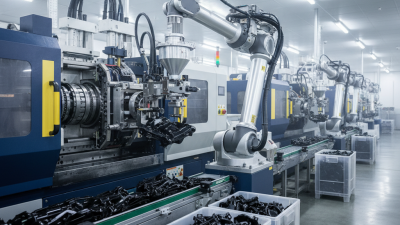
The integration of automation and Industry 4.0 in injection molding is transforming operations. This shift not only boosts efficiency but also enhances precision. Smart sensors can monitor processes in real time. They catch deviations and reduce waste. This proactive approach minimizes downtime and cuts costs.
However, the implementation poses challenges. Many facilities struggle with outdated equipment that doesn't support new technologies. Training workers to adapt to these advanced systems is essential. It's vital to balance innovation with practicality. Reliable data is needed to make informed decisions. Proper analysis can reveal areas for improvement.
Additionally, the transition to automated systems demands a cultural shift. Workers may fear job loss due to automation. Clear communication is vital to alleviate concerns. Educating employees about the advantages is crucial. This ensures that the workforce embraces the changes rather than resisting them.